
The Origin of Free Masonry
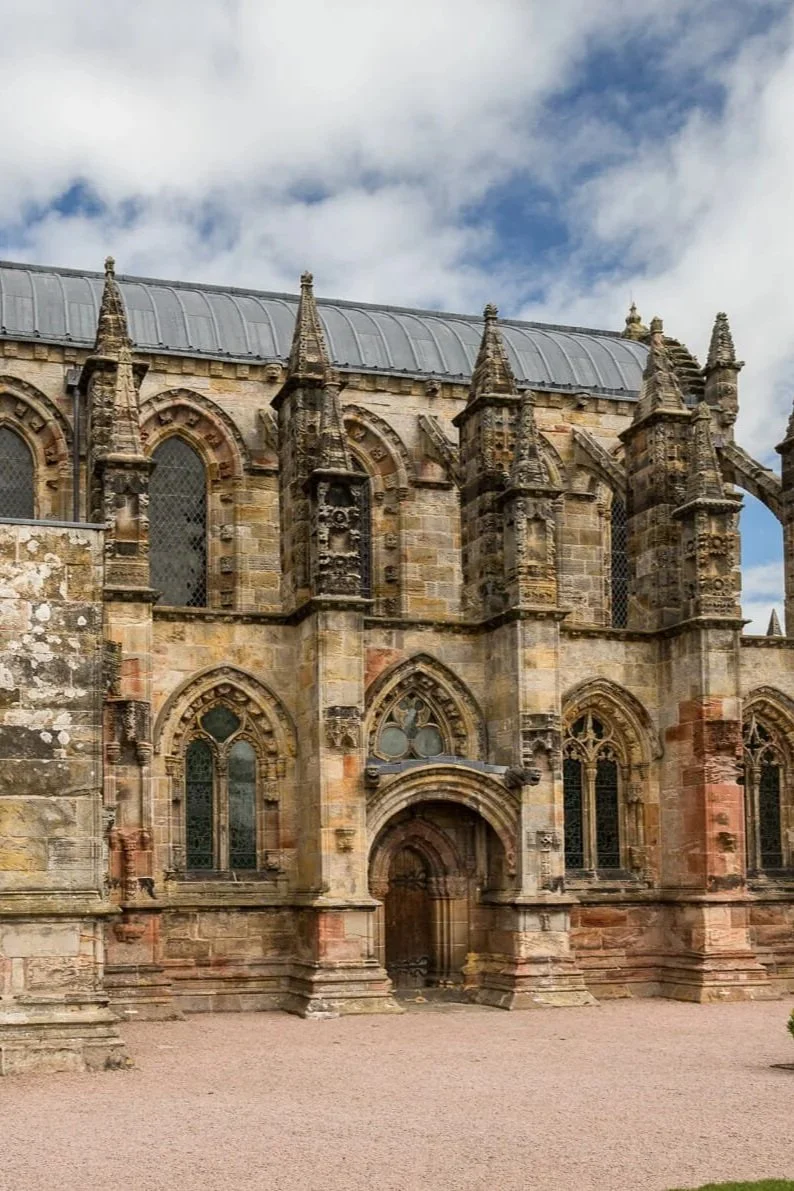
The origins of Freemasonry are disputed, which is part of what makes them worth knowing. The clearest line runs to the stonemasons' guilds of medieval Europe. Men whose craft demanded both technical mastery and absolute trust, and who developed rituals, signs, and obligations to govern who came in and how they conducted themselves. By the 17th century those guilds had begun admitting men who weren't working masons at all, and in 1717 four London lodges came together to form the first Grand Lodge. From there the institution spread fast: to the American colonies, across Europe, and eventually around the world.
What traveled with it was a set of convictions: that men of different backgrounds could meet on equal terms, that character mattered more than rank, and that brotherhood was worth organizing around. Those were not safe ideas at the time. Many of the men who built the American republic were Masons, because it cultivated the kind of civic virtue the moment demanded. Three centuries on, the institution has outlasted most of what surrounded it. The questions it asks of its members haven't changed much.
Montana Free Masonry
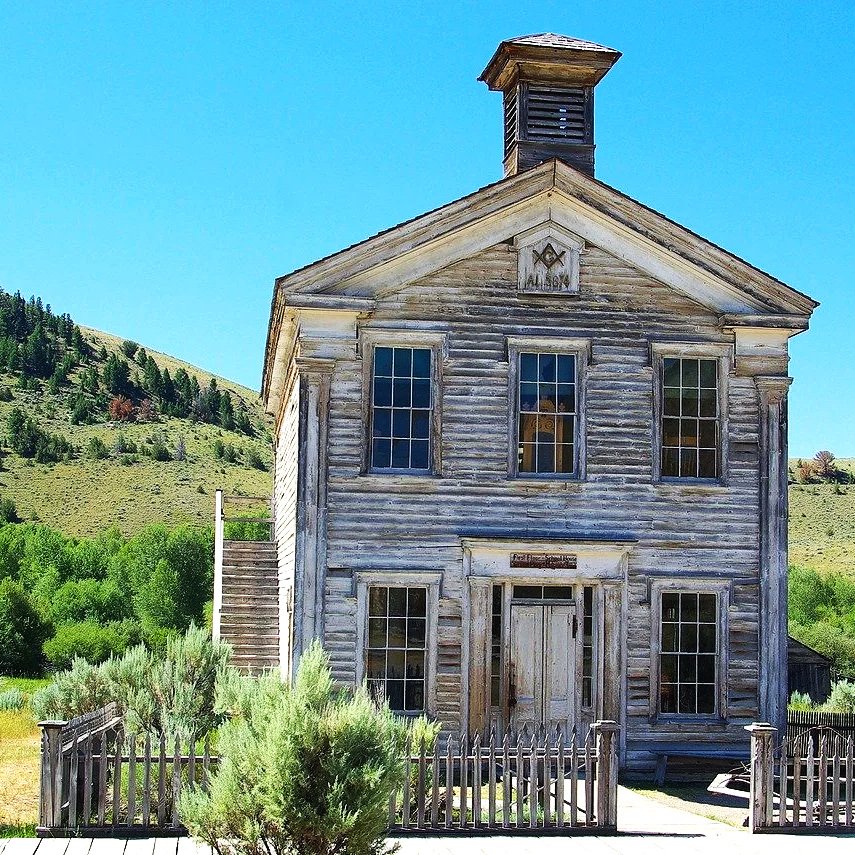
Masonry arrived in Montana almost as soon as Montana existed. The first Lodge was formed in 1862, when the territory was barely a year old and the gold fields were pulling men in from every direction. Within a year those early Masons were tested in a way few Lodge members have been: faced with a robbery and murder spree run by Bannack Sheriff Henry Plummer and his road agent gang, Montana Masons helped organize the Vigilantes. They hanged 21 men in a month. After that it was said you could leave a gold dollar on the street and pick it up a week later because no one would touch it. As one Grand Master later put it, while not every Vigilante was a Mason, every Mason in those days was a Vigilante.
The Grand Lodge of Montana was formed in 1865, and Lodges spread across the territory as towns took root. The men who built them had carried their memberships west — from the South, from the North, from wherever land and silver could reach. They were miners and merchants, ranchers and lawyers, men who had come a long way and intended to stay. What they built reflected that tradition: plain enough for hard country, and durable enough to last.
Our Lodge
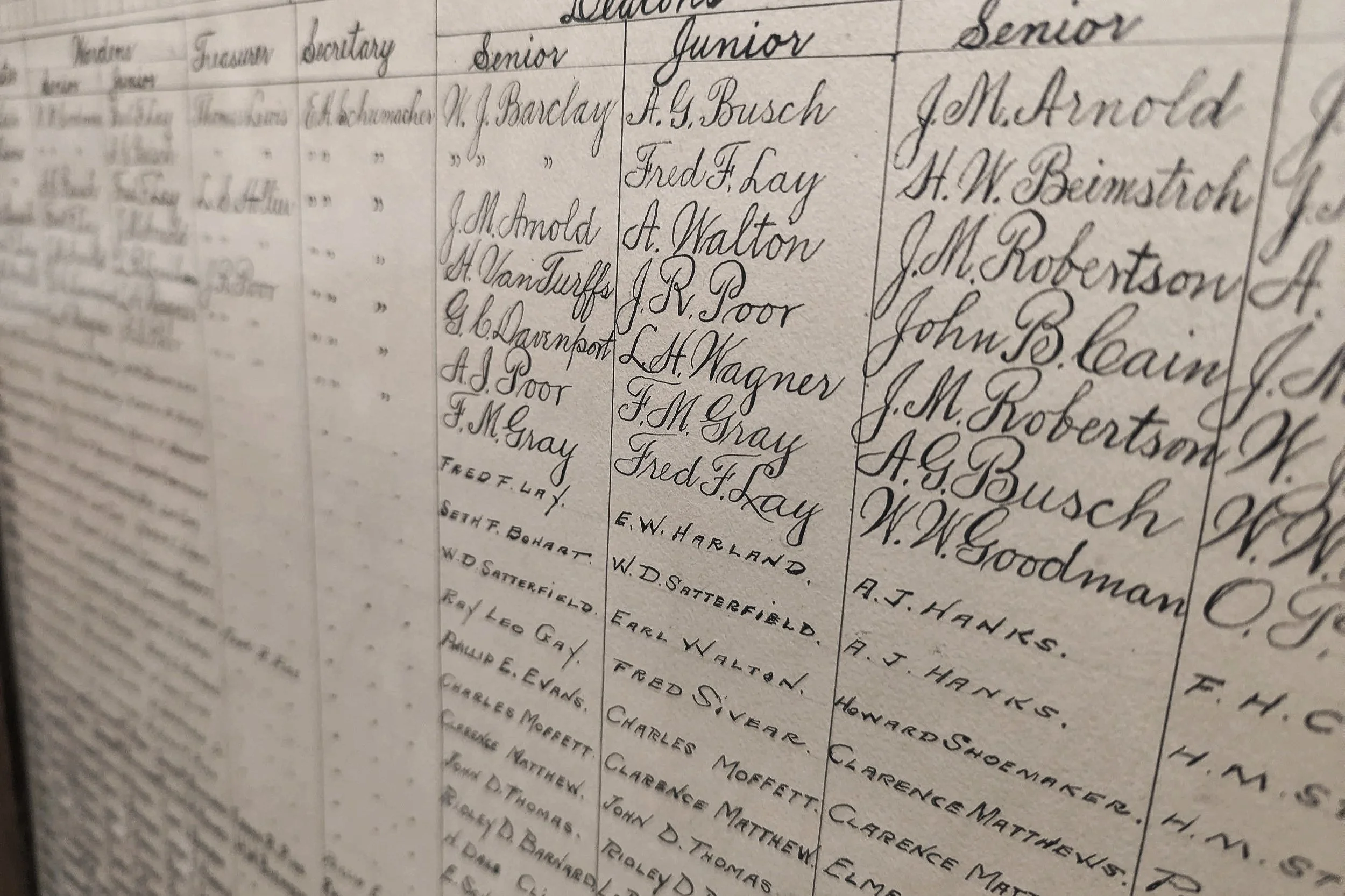
Gallatin Lodge No. 6 was chartered in 1866, meeting on the second floor of a log cabin on Main Street while a pharmacy operated below. In 1884 the Lodge purchased the site and built. The three-story brick building at 137 East Main Street was the grandest structure in Bozeman that decade, put up for $20,000 as the railroad's arrival was remaking the town. The first floor went to tenants — including Bozeman National Bank. The Masons took the upper floors. The following year they brought in a carpet ordered from England, woven through with Masonic symbols. That carpet stayed on our floor for 138 years before it was replaced in 2017 — with a replica, ordered from the same company.
Our Lodge also turned away John Bozeman twice. The reason was his conduct toward other men's wives.
Standing watch over all of it is Jubilee. The rearing palomino on the marquee above Main Street, installed in 1968 to advertise a clothing store that has long since gone. The store left. The horse stayed. He is something of a Bozeman landmark now, and when the building has news worth sharing, it tends to come from him. Keep an eye out for his letters in the Chronicle.
The building on Main Street is still home to our Lodge and we have met through booms and hard winters, through wars and the long transformation of Bozeman from frontier outpost to one of the fastest-growing cities in the West. Masonry is patient and after some slow decades at the end of the past century we are growing again. With membership growing we are putting that energy to work: updating the building, getting out into the community, and modernizing where it's overduey. The buildings change, the generations turn, but Masonry keeps asking the same questions because each person must answer for themselves.